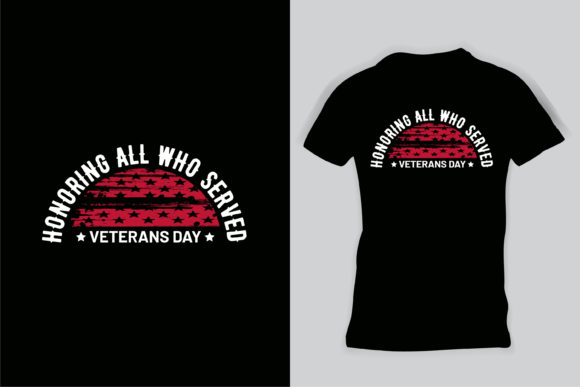
Review: Veteran Army T-Shirt Honoring All Who
As an embroidery designer who has spent countless hours digitizing and testing files for real-world production, I approach every new machine embroidery design with a critical eye. It is not enough for a graphic to look good on a screen; it must hold up under the needle, withstand washing, and resonate with the end customer. Recently, I evaluated the Veteran Army T-shirt Honoring All Who file to determine its viability for my current lineup of custom apparel and handmade goods. This review breaks down the practical realities of using this asset in a professional craft business setting.
First Impressions and Visual Personality
The initial impression of the Veteran Army T-shirt Honoring All Who design is one of respectful solemnity mixed with patriotic pride. The layout is balanced, avoiding the cluttered aesthetic that often plagues military-themed graphics. For an embroidery project, clarity is paramount. This design relies on strong shapes and legible typography rather than overly intricate shading, which is a smart choice for stitching.
The mood it creates is inclusive and honoring, making it suitable for a wide demographic. Unlike aggressive tactical designs, this piece feels appropriate for teachers, nurses, doctors, and family members who support service personnel. Visually, it translates well from its origin as a vector in Graphic Templates collections to a stitched format. The lines are clean, suggesting that the digitizer considered how thread will lay on fabric, minimizing potential jumps or excessive trims.
Real-World Application: The Custom Sweatshirt Test
To truly understand the value of an embroidery file, you must imagine it on a finished product. I visualized this design on a heavyweight charcoal grey sweatshirt for a local boutique client. The goal was to create a premium personalized gift for a grandfather who served in the Army. The contrast between the light thread colors typically used in such designs and the dark fabric required careful planning.
In this scenario, the Veteran Army T-shirt Honoring All Who design performed well conceptually because of its bold outlines. When scaling the design for a left-chest placement, the text remained readable, which is often the first casualty in small-scale embroidery. For larger back placements, the design offers enough substance to justify the stitch count without looking sparse. This versatility makes it a strong candidate for custom apparel lines where you need one asset to work across multiple garment types.
Material and Fabric Considerations
Not all fabrics behave the same way. When working with this design, I noted that it would excel on stable materials like cotton twill, denim, or fleece. However, caution is advised when applying it to stretchy performance fabrics or thin jersey knits. The stitch density appears moderate, but any dense area can cause puckering if the proper stabilizer is not used. For a tote bag design or canvas apron, the fabric’s rigidity supports the stitches beautifully, resulting in a crisp, professional finish.
If you are considering this for an embroidered patch, ensure your stabilizer is tear-away or cut-away depending on the desired stiffness. Patches require durability, and the structural integrity of the design holds up well when densely stitched on heavy-duty backing.
Navigating Technical Challenges
While the design is robust, there are areas where a designer must exercise judgment. Small details, such as fine serifs in lettering or tiny graphical elements, can get lost if the hoop size is too large relative to the design scale. I recommend testing the design on scrap fabric before committing to a final finished product. This step allows you to check thread tension and color contrast.
For those selling on platforms like Etsy, presentation is key. A printable mockup can help visualize the design, but nothing replaces a physical sample. I advise stitching the design in black and white first to evaluate the tonal range. If the details disappear in monochrome, they may also struggle in low-contrast color combinations on dark garments. This is particularly important for baby embroidery items, where soft pastels might not provide enough definition against white onesies unless an underlay stitch is properly utilized.
Commercial Viability and Brand Consistency
For Etsy sellers and small shop product creators, consistency builds trust. The Veteran Army T-shirt Honoring All Who design fits seamlessly into a broader catalog of patriotic or family-oriented design assets. It does not scream "cheap clipart"; instead, it feels curated. Using high-quality Graphics like this enhances perceived value, allowing you to price your handmade product higher than competitors using low-resolution prints.
When marketing this item, consider the emotional connection. It is not just a shirt; it is a tribute. This narrative drives buyer engagement. Whether it is for a holiday embroidery gift during Veterans Day or a birthday present for a dad, the design serves as a focal point that tells a story. Ensure your product descriptions highlight this emotional resonance while clearly stating the technical specs of the digital embroidery file you are selling or using.
Practical Designer Notes
Before launching this design into your production workflow, keep these practical tips in mind:
- Check Licensing: Always confirm whether the license allows for commercial use of finished items. Since this originates from a template collection, verify if you need an extended license for mass production.
- Thread Selection: Use high-sheen polyester threads for a vibrant look on dark fabrics, or matte cotton for a rustic, vintage feel on natural fibers.
- Hoop Size: Confirm the maximum hoop size required. If the design is large, you may need a multi-position technique or a larger industrial hoop.
- Stitch Types: Expect a mix of satin stitch for borders and text, and fill stitch for larger graphical elements. Running stitches may be used for fine details to reduce bulk.
- Test Wash: Always wash and dry a test sample to check for shrinkage or thread bleeding, especially if using red or blue threads on white fabric.
In conclusion, the Veteran Army T-shirt Honoring All Who is a versatile and emotionally resonant addition to any embroidery designer’s library. It bridges the gap between digital convenience and tactile quality, provided you respect the technical requirements of the medium. By paying attention to fabric choice, stabilizer use, and thread contrast, you can transform this embroidery project into a best-selling item for your craft business.