Stitching the Best Horse Dad Ever T-Shirt Design
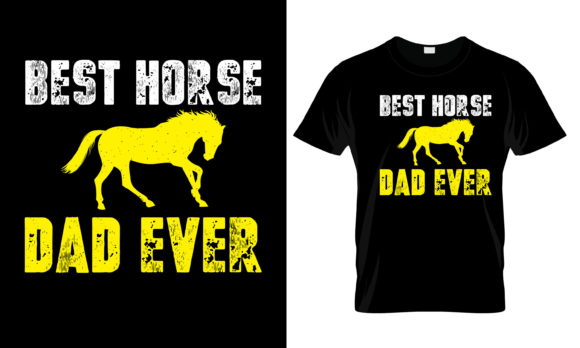
When I first pulled up the Best Horse Dad Ever T-Shirt design on my screen, I wasn’t just looking at a graphic. I was visualizing the needle hitting the fabric. As an embroidery designer who has spent years troubleshooting puckered hems and broken threads, my first impression is always about practicality. This particular asset, categorized under Print Templates and Graphics, presents itself as a versatile digital file, but the real question is how it translates from a pixel-perfect PNG or vector SVG into a tactile, stitched reality.
The mood of this design is warm, proud, and slightly playful. It captures that specific niche of equestrian enthusiasm that blends family pride with a love for animals. Visually, the layout feels balanced, avoiding the clutter that often plagues novelty shirts. For an embroidery project, this clarity is crucial. Complex, messy designs are a nightmare to digitize and stitch out cleanly. A clean visual personality suggests that if this were properly digitized for machine embroidery, it would sit well on various garments without requiring excessive trim work or jump stitches.
Real-World Application: Beyond the T-Shirt
While the title specifies a t-shirt, my mind immediately went to a recent client request. She runs a small boutique specializing in personalized gifts for equestrian families. She wanted something durable for a heavy canvas tote bag. This is where the Best Horse Dad Ever T-Shirt concept shines beyond apparel. Imagine this design stitched onto a natural cotton tote using a rich chestnut brown thread for the text and a contrasting cream for any graphical elements. The result is not just a shirt; it is a functional piece of lifestyle branding.
For Etsy sellers and craft business owners, versatility is key. This design could easily transition into sweatshirt embroidery for cooler weather collections. The boldness required for a statement like "Best Horse Dad Ever" means it holds up well on thicker fabrics like fleece or French terry. However, one must be cautious with scale. On a bulky hoodie, the design needs to be large enough to command attention but not so dense that it creates a stiff, uncomfortable patch on the chest.
I also see potential in home decor. Picture this motif embroidered on a kitchen towel or a pillow cover for a rustic farmhouse-style nursery. In these contexts, the design acts as a subtle nod to the family’s passions rather than a loud declaration. For holiday embroidery projects, such as Christmas stockings for horse-riding children, this theme fits perfectly into a curated collection of personalized products.
Technical Considerations for Stitchers
Before loading any file into your machine, you must consider the technical constraints. The product description notes that you receive SVG, EPS, and PNG files. It is vital to understand that these are graphic formats, not native machine embroidery files like PES or DST. If you are an embroidery designer, you will need to digitize this artwork yourself or hire someone to do it. This step is critical for controlling stitch density and direction.
If you are working with the PNG file provided at 4500×5400 pixels and 300 dpi, you have high-resolution source material. This is excellent for creating printable mockups or for manual digitizing. When converting this to an embroidery file, pay close attention to the lettering. Small, intricate fonts can become illegible if the satin stitch columns are too narrow or if the fill stitch density is too high. I recommend testing the design on scrap fabric first. Use the same stabilizer you plan to use for the final product. A cut-away stabilizer is often best for stretchy fabrics like t-shirts, while a tear-away might suffice for stable woven cottons.
Thread color contrast is another major factor. On a dark navy t-shirt, light grey or white thread will pop, ensuring the message is readable from a distance. On a heather grey sweatshirt, you might opt for a deep burgundy or forest green to maintain readability without being too stark. Always test your thread colors against the fabric texture. Rougher fabrics can swallow fine details, so you may need to simplify certain elements of the design during the digitizing process.
Navigating Fabric and Hoop Limitations
Not every surface is suitable for every design. While this concept works beautifully on flat surfaces like tote bags and t-shirts, curved surfaces like caps require careful planning. If you attempt to place this design on a baseball cap, ensure your hoop size accommodates the curvature. A large, wide design can distort on the front panel of a cap, leading to registration issues where the stitching pulls the fabric unevenly.
Additionally, consider the garment's care instructions. Items like baby clothes or frequently washed kitchen towels undergo significant stress. High stitch density can cause puckering over time. To mitigate this, keep the stitch count reasonable and avoid overlapping layers of fill stitch. For delicate fabrics like thin rayon or silk blends, this bold design might be too heavy. In such cases, consider scaling it down significantly or using it as part of a smaller embroidered patch that can be appliqued onto the garment, reducing direct stress on the delicate base fabric.
Building Trust Through Quality Execution
For small shop products and boutique branding, the finish of your embroidery speaks volumes about your professionalism. A clean, well-digitized version of the Best Horse Dad Ever T-Shirt design enhances customer trust. It shows that you care about the longevity and aesthetic of the handmade product. Buyers engage more with items that look crisp and intentional. Sloppy stitching, loose threads, or poor color choices can detract from the emotional value of the gift.
When listing this as a digital embroidery file or a finished custom apparel item, transparency is key. If you are selling the digital assets, clarify that the buyer receives graphic files and must digitize them for machine use. If you are selling the finished product, highlight the quality of your stitching and the durability of your materials. This builds recognition and encourages repeat business.
In conclusion, this design offers a solid foundation for a variety of creative projects. Whether you are creating a holiday gift for a horse-loving father or stocking your Etsy shop with unique equestrian-themed merchandise, the success lies in the execution. Check your licensing terms before selling commercial embroidery projects. Test your stabilizers, respect your hoop sizes, and let the quality of your stitch work elevate the simple message into a cherished keepsake. By treating the design with technical respect, you transform a basic graphic into a premium, tactile experience.