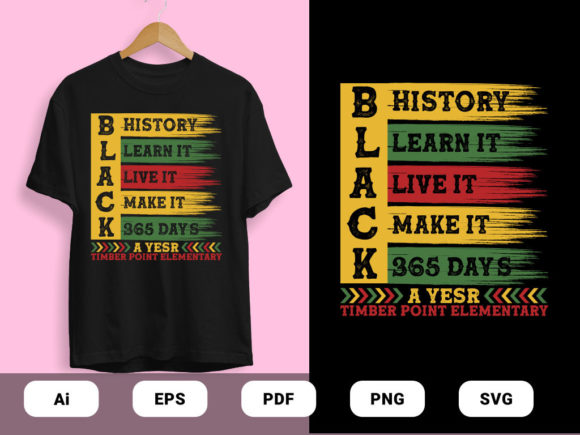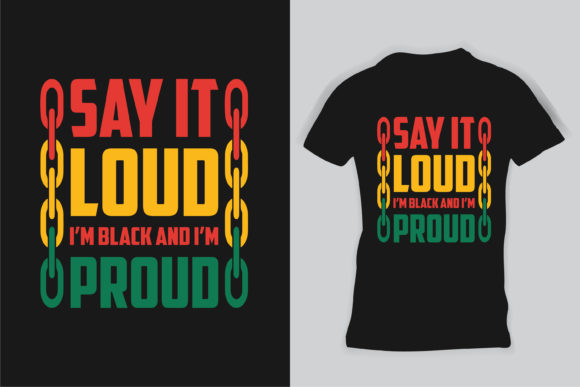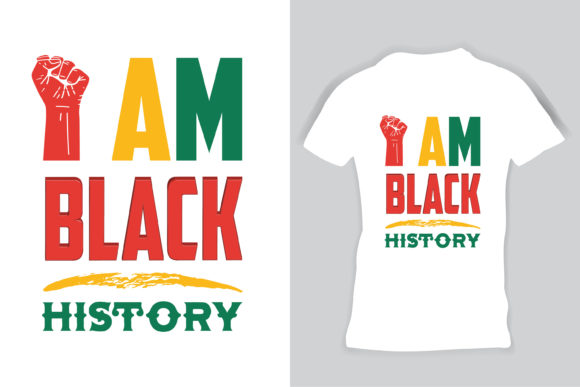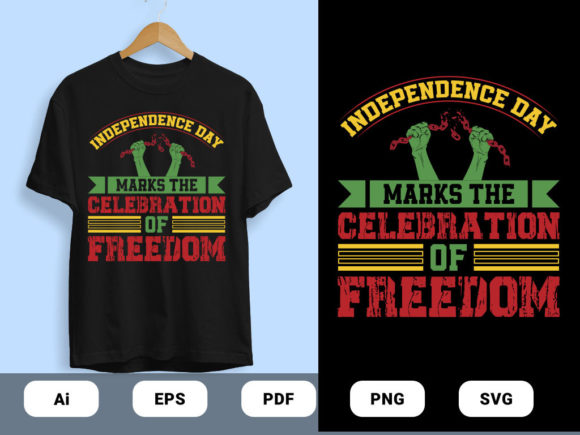
Reviewing the Black History Freedom T-shirts Design
As a designer who has spent countless hours digitizing and stitching out typography for clients, I approach every new machine embroidery design with a mix of curiosity and caution. Typography is notoriously difficult to translate from screen to thread. When I first loaded the Black History Freedom T-shirts Design into my viewer, I was looking for more than just aesthetic appeal. I wanted to know if this vector-based graphic could hold up under the needle without turning into a tangled mess of thread breaks and puckered fabric.
This piece falls under the category of Print Templates and Graphics, which often implies it is optimized for digital printing or heat transfer rather than stitching. However, many small business owners and Etsy sellers look for versatile assets that can cross over into embroidery. The central question here is not just whether the design looks good on a mockup, but whether it respects the physical limitations of an embroidery machine while delivering a powerful message.
First Impressions: Mood and Visual Weight
The immediate impact of the Black History Freedom T-shirts Design is one of boldness and clarity. The typography carries a heavy visual weight, which is essential for a theme centered on freedom and historical significance. In embroidery, thin, wispy fonts often get lost in the texture of the fabric, especially on items like towels or fleece. This design, by contrast, appears to have the structural integrity needed for stitching.
The layout feels balanced, avoiding overly intricate serifs or tiny connecting lines that typically cause issues with satin stitch execution. For a designer, this suggests that the original vector paths are clean. When evaluating such design assets, I always look for open counters in letters like "O," "A," and "R." If these spaces are too small, they will fill in with thread during stitching, ruining the legibility. From what I can see, this design maintains enough negative space to remain readable even after the fabric shifts slightly under the hoop.
Real-World Application: Beyond the T-Shirt
While the product title specifies t-shirts, my mind immediately went to a recent project where I needed a statement piece for a local community event. I imagined using this design not just on apparel, but on a sturdy canvas tote bag design. Canvas provides a stable base that handles higher stitch density well. The bold nature of the text would stand out beautifully against natural cotton or dark denim.
Consider the versatility for a craft business. An Etsy seller could use this on a heavyweight hoodie for winter sales, or scale it down for a subtle chest emblem on a cap. The description mentions suitability for sweaters, jumpers, and pillows. I would exercise caution with knits like sweaters due to stretch, but a stabilized pillow cover made of linen or cotton twill would be an excellent candidate. The design’s strong lines would complement the rustic texture of home decor items, making it a viable option for holiday embroidery gifts that carry deeper meaning.
For those creating personalized gift items, this design serves as a powerful standalone element. It does not require additional clipart or embellishments to feel complete. This simplicity is a virtue in embroidery, where less is often more. A clean, well-stitched typographic piece exudes professionalism and builds customer trust in your handmade product.
Technical Considerations for Stitching
Here is where the rubber meets the road. Since this is provided as a vector graphic intended for print, it is not yet a native embroidery file. This distinction is critical. You cannot simply import a SVG or AI file into most embroidery machines without digitizing it first. If you are a designer, you will need to convert this vector into stitches, paying close attention to the direction of your satin stitch columns and the underlay structure.
If you are purchasing a pre-digitized version, check the stitch density. Heavy fills on large letters can cause fabric distortion. For a design of this magnitude, I recommend using a combination of satin stitches for smaller elements and fill stitch patterns with appropriate spacing for larger areas. Always test on scrap fabric first. I once ruined a costly garment by assuming a dense design would work on thin jersey without a proper stabilizer. For this design, a cut-away stabilizer would likely be necessary for stretchy fabrics like t-shirts and hoodies to prevent the text from warping after washing.
Pay attention to thread colors. High contrast is key. White or gold thread on black fabric creates a striking look that honors the solemnity and pride of the subject matter. However, avoid using too many color changes if you are aiming for efficiency in a commercial embroidery setting. Stick to one or two strong colors to maintain visual cohesion and reduce production time.
Navigating Potential Pitfalls
There are scenarios where this design might struggle. Small hoop size limitations could force you to split the design or reduce it significantly. If scaled down too much, the details between letters may merge. Avoid using this on highly textured fabrics like bouclé or thick fleece unless you are using an applique design technique, where the text is cut from fabric and stitched down. This reduces bulk and improves clarity.
Also, consider the curvature of the item. Embroidering large, straight text on a curved surface like a baseball cap requires careful hooping and possibly splitting the design into segments. For a small shop product line, consistency is vital. Ensure that your digitizing settings are saved and standardized so that every finished product looks identical, whether it is the first or the fiftieth item you stitch.
Final Verdict for Creators
The Black History Freedom T-shirts Design offers a strong foundation for meaningful custom apparel and decor. Its strength lies in its typographic clarity and emotional resonance. For digital embroidery file users, it represents a valuable asset if properly converted and tested. For print-focused creators, it remains a robust graphic for heat transfers.
Before adding this to your inventory of printable mockup previews or listing it as a small shop product, verify the licensing terms. Ensure that commercial use is permitted for both physical goods and digital resale. Check if the provider offers multiple formats or if you need to digitize it yourself. By treating this graphic with the technical respect it deserves, you can create items that are not only visually appealing but also durable and professionally finished. This is how you elevate a simple design into a cherished embroidery project that customers value.