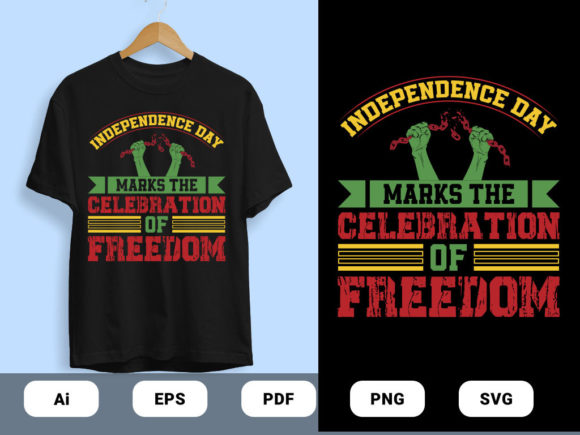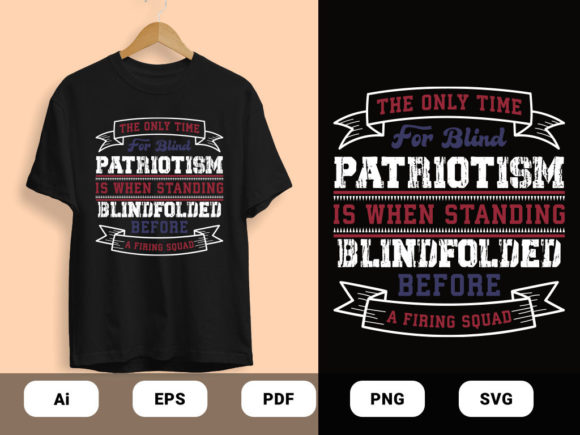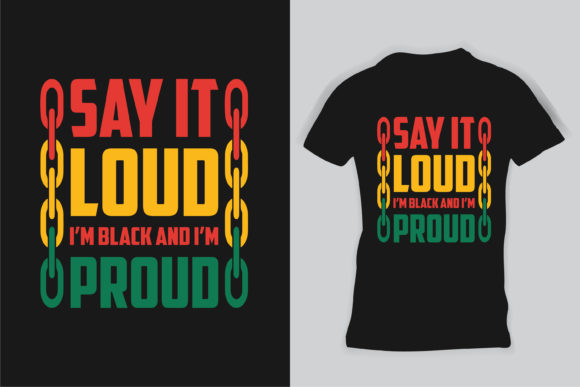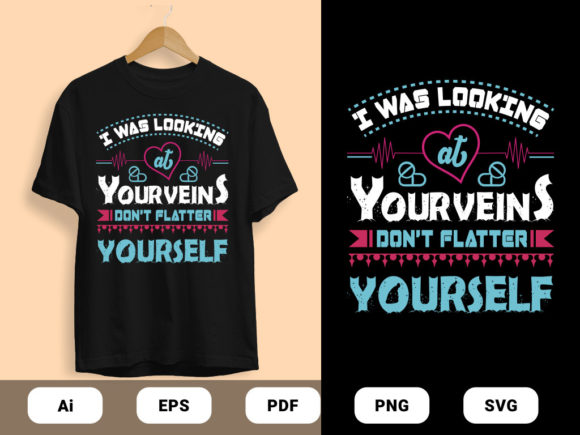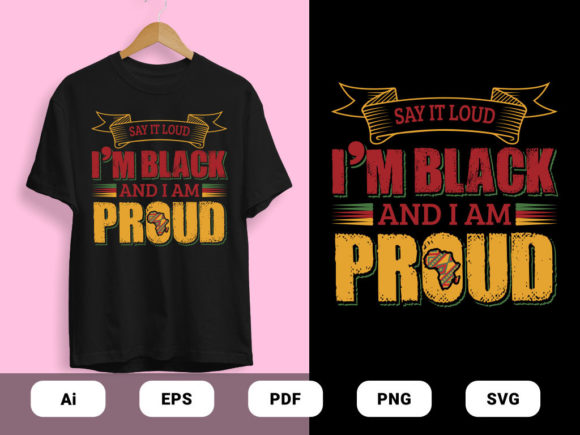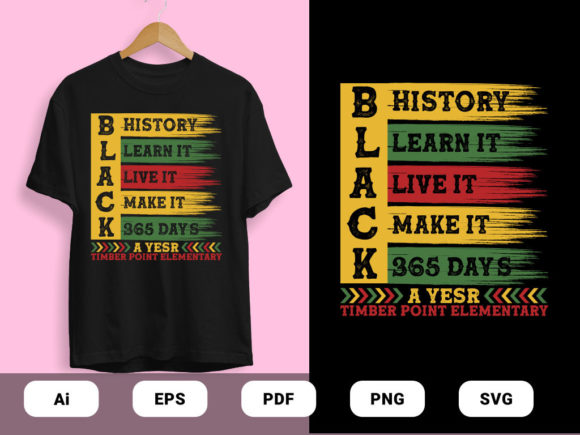
Reviewing the Black History T-shirts Design Vector for Embroidery
As a designer who has spent years translating digital concepts into thread, I approach every new Print Templates asset with a specific set of questions. Will this translate well to fabric? How will the stitch density affect the drape of the garment? And most importantly, does it carry the emotional weight required for the subject matter? When I first opened the Black History T-shirts Design Vector, my initial impression was one of bold clarity. This is not a delicate, whisper-quiet motif; it is a statement piece. The typography is strong, the layout is balanced, and the visual personality commands attention without feeling cluttered.
For those of us in the craft business, finding Graphics that bridge the gap between print-ready crispness and embroidery-friendly simplicity is rare. This design sits comfortably in that intersection. It feels like a natural fit for modern custom apparel, particularly for sellers looking to create meaningful, culturally significant products for their small shop product lines.
From Screen to Stitch: A Real-World Test
To truly evaluate this asset, I moved beyond the screen and imagined a concrete project. I recently worked on a commission for a local community center needing branded merchandise for a heritage month celebration. The client wanted something versatile that could work on both heavy hoodies and lighter tote bags. This is where the Black History T-shirts Design Vector proved its worth as a foundational design asset.
I visualized this design stitched onto a high-quality cotton canvas tote bag. The bold lines of the typography would hold up beautifully against the textured weave of the canvas. Unlike intricate illustrations that can get lost in the fabric grain, the clear shapes here ensure legibility from a distance. For an Etsy seller or handmade shop owner, this versatility is crucial. You are not just selling a shirt; you are selling a vibe, a statement, and a piece of identity. The design supports that narrative effectively.
When considering sweatshirt embroidery, the design’s structure allows for creative stitch choices. A satin stitch could be used for the thicker elements to give a raised, premium feel, while a fill stitch might be better for larger blocks of text to ensure coverage without excessive bulk. The key is maintaining the integrity of the letterforms. If the details are too fine, they may merge during stitching, so understanding the limits of your machine is vital before committing to a final production run.
Navigating Fabric and Technique Challenges
While the design is robust, it is not without its technical demands. Embroidery designers must be mindful of where this design is placed. On curved surfaces like caps or hats, the rigidity of dense typography can cause puckering if not properly stabilized. I would advise using a cut-away stabilizer for stretchy fabrics like jersey knits found in t-shirts and jumpers. This ensures the design remains flat and does not distort after washing.
Another critical consideration is scale. If you are adapting this for baby embroidery or smaller items like pocket patches, you must check the minimum stroke width. Tiny lettering can become illegible if the needle perforates the fabric too closely. Always test the design on scrap fabric first. This simple step saves hours of frustration and prevents wasted materials. Check thread color contrast carefully; on dark fabrics, a light metallic or bright white thread can make the design pop, while on light fabrics, deep navy or black provides sharp definition.
For those interested in applique design techniques, this vector could serve as an excellent template for fabric layering. By using the vector paths to cut fabric shapes and then securing them with a running stitch or satin border, you reduce stitch count and create a softer hand feel. This is particularly useful for items that will be worn directly against the skin, such as jumper tops or hoodie linings.
Enhancing Brand Value and Customer Trust
In the world of commercial embroidery, presentation is everything. A well-executed design builds customer trust. When a buyer sees clean edges, consistent tension, and thoughtful color choices, they perceive higher value. The Black History T-shirts Design Vector lends itself to this level of professionalism because its clean lines minimize the risk of messy jump stitches or thread breaks.
For digital product sellers, this asset is also valuable for creating printable mockups. Even if you are selling the physical embroidered item, having high-quality digital previews helps customers visualize the finished product. The vector nature of the file means it scales infinitely without losing quality, making it ideal for generating marketing materials, social media posts, and website banners.
However, remember that this is a starting point. To make it unique to your brand, consider pairing it with complementary decorative accents. Perhaps add a subtle border or integrate it with other symbolic elements that resonate with your specific audience. This customization transforms a generic graphic into a signature handmade product that stands out in a crowded marketplace.
Practical Notes for the Serious Maker
Before you load this into your machine, take a moment to review the technical specifics. Since the product description mentions it is perfect for printing on various materials, verify the resolution and format compatibility with your embroidery software. Not all vector files convert automatically to stitch files without manual adjustment. You may need to digitize it yourself or hire a digitizer to ensure optimal stitch density and direction.
- Test on Scrap Fabric: Always run a trial stitch-out to check for registration issues.
- Check Stabilizer Type: Use cut-away for knits and tear-away for wovens.
- Inspect Small Details: Ensure no elements are too small to stitch cleanly.
- Confirm Licensing: Verify if the license allows for commercial use of finished items.
- Mockup in Black and White: This helps identify contrast issues before threading the machine.
Ultimately, the Black History T-shirts Design Vector is a powerful tool for any creative entrepreneur. It offers a blend of aesthetic strength and practical adaptability. Whether you are creating holiday embroidery gifts, boutique branding items, or personalized gifts for clients, this design holds up under scrutiny. It respects the medium of embroidery by offering clear, bold shapes that translate well into thread.
For the hobbyist, it provides a satisfying project with a high chance of success. For the professional, it offers a reliable base for high-volume production. Just remember to respect the technical constraints of your equipment and materials. With proper preparation and attention to detail, this design can elevate your portfolio and delight your customers. It is more than just a graphic; it is a vehicle for expression, crafted with care and intended to last.