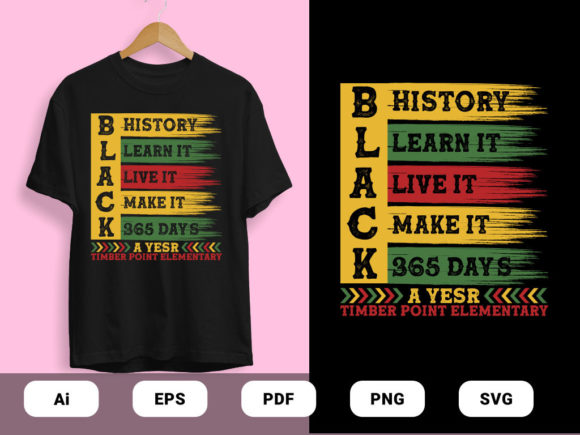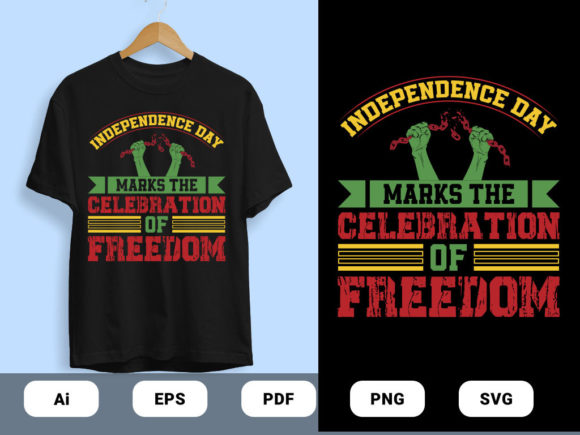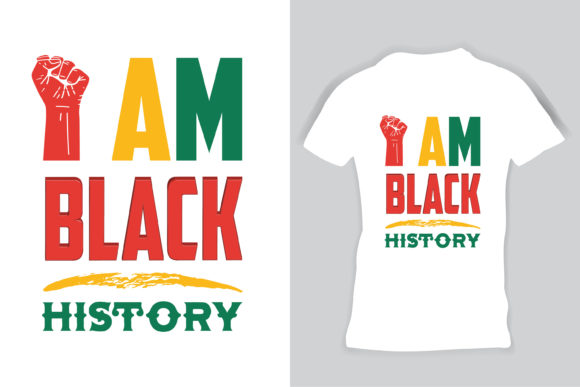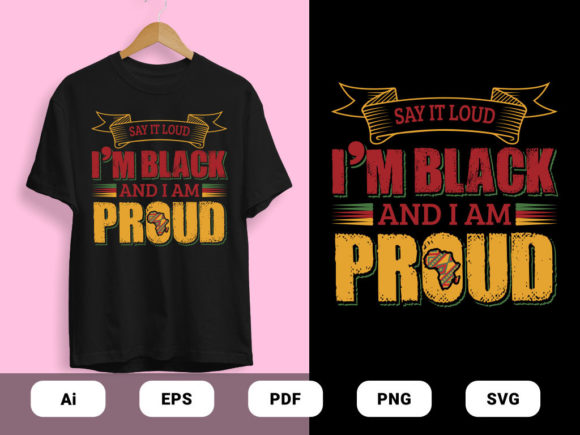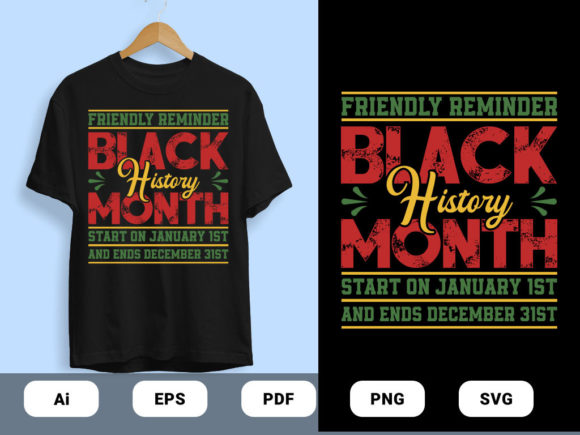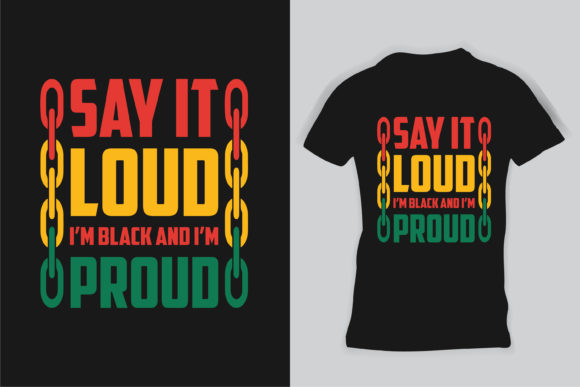
Reviewing the Black History Month, Say It Loud Shirt Design
As a designer who has spent countless hours staring at digitizing software and watching needles fly across fabric, I have learned that not every graphic translates well into thread. When I first pulled up the Black History Month, Say It Loud Shirt design files, my initial reaction was one of cautious optimism. The phrase "I'm Black And I'm Proud" carries immense cultural weight and emotional resonance. Translating that power into a machine embroidery design requires more than just converting pixels to stitches; it demands an understanding of how text behaves under tension and how bold statements read from a distance.
This review is not about the digital preview you see on a screen. It is about what happens when this Graphics asset meets real-world constraints. I am evaluating this as a practical resource for Etsy sellers, craft business owners, and hobbyists who want to create meaningful handmade products without compromising on quality or professionalism.
First Impressions and Visual Personality
The mood of this design is unapologetic and celebratory. Visually, it relies heavily on typography rather than complex imagery, which is both a strength and a challenge in embroidery. The layout appears straightforward, likely utilizing bold, sans-serif fonts to ensure legibility. For a Print Templates category item, this simplicity is advantageous because it reduces the risk of thread breaks and excessive jump stitches.
However, the visual personality depends entirely on execution. In its raw form, it looks like a standard quote tee. But when viewed through the lens of an embroiderer, I immediately start thinking about thread colors. This design screams for high contrast. A black shirt with white or gold thread is the classic choice, but have you considered deep royal blue on heather gray? Or vibrant kente-inspired colors if the design allows for multi-color fills? The design’s success hinges on these choices.
Real-World Application: The Custom Sweatshirt Test
To truly test the viability of this embroidery file, I imagined a specific scenario: a local community center requesting custom sweatshirt embroidery for their February heritage celebration. They wanted something durable, warm, and proud. This is where the rubber meets the road.
I placed the design mentally on a heavy-weight cotton fleece. The bold lettering of "Say It Loud" suggests it would hold up well against the texture of the fleece. Unlike delicate script fonts that get lost in plush fabrics, blocky, strong letters maintain their integrity. If I were stitching this for a personalized gift or a batch of custom apparel, I would prioritize a dense fill stitch for the larger letters to give them weight and presence. For the smaller connecting words, a tight satin stitch might offer a cleaner finish, provided the width does not exceed the machine’s capability for smooth coverage.
This design fits naturally into several product categories beyond shirts. Imagine it as a central motif on a canvas tote bag design. The sturdy fabric of a tote can handle higher stitch density without puckering, making it an ideal candidate for a statement piece. It could also work beautifully on a denim jacket back, serving as a bold embroidered patch aesthetic even if stitched directly onto the garment.
Navigating Technical Challenges
While the sentiment is powerful, the technical execution requires vigilance. Here are the areas where I would exercise caution before hitting the start button on my machine.
- Small Hoop Sizes: If the design includes long lines of text, ensure your hoop size is large enough to accommodate the full width without resizing the font to an unreadable scale. Compressing text to fit a 4x4 hoop often results in illegible clutter.
- Stretchy Fabrics: Stitching this onto a thin, stretchy t-shirt requires a robust stabilizer strategy. I recommend a cut-away stabilizer for garments that will be washed frequently, as tear-away may leave residues or fail to support the weight of the thread over time.
- Curved Surfaces: Applying this to a cap is tricky. The curvature of the crown can distort straight lines of text. If you attempt this, use a hat frame and consider breaking the design into smaller segments if possible, though this design seems best suited for flat surfaces like shirts, towels, or bags.
- Dense Stitch Areas: Check the digitizing of the bold letters. If the fill stitch is too dense, it can cause the fabric to pucker or the thread to break. Always run a test on scrap fabric similar to your final material.
Enhancing Product Value and Brand Trust
For small shop product creators, the perceived value of an embroidered item is significantly higher than a printed one. The texture of the thread adds a tactile dimension that ink cannot replicate. When a customer receives a holiday embroidery gift featuring this design, the raised stitches convey effort and quality. This builds customer trust and encourages repeat business.
However, professionalism is key. Loose threads, uneven tension, or poor color choices can undermine the message. To maintain brand consistency, I suggest creating a printable mockup or digital preview that accurately represents the thread sheen and texture. This helps manage customer expectations and showcases the design assets in their best light.
Practical Notes for the Embroiderer
Before you commit to a large production run or list this as a new item in your store, take these steps:
- Test on Scrap Fabric: Never skip this step. Use the exact fabric type you plan to sell. Check for puckering, thread breaks, and registration issues.
- Check Thread Contrast: View your test stitch-out from five feet away. Can you read "Say It Loud" clearly? If not, adjust your thread colors or increase the size.
- Verify Licensing: The product description mentions it is perfect for teachers, nurses, and families, but it does not explicitly state commercial license terms. As a digital embroidery file user, you must confirm whether the creator allows you to sell finished physical items. Do not assume; always check the included license file or contact the seller.
- Inspect Small Details: Zoom in on the digitizing software. Look for unnecessary jump stitches or overlapping paths that could cause bulk. Clean up the file if necessary before stitching.
- Consider the Audience: This design is versatile. It works for men, women, kids, and toddlers. However, scale it appropriately. A toddler’s shirt needs a smaller, lighter version of the design to prevent stiffness and discomfort.
In conclusion, the Black History Month, Say It Loud Shirt design offers a strong foundation for meaningful embroidery projects. It is not just a graphic; it is a statement. With careful attention to fabric texture, stabilizer choice, and thread selection, it can become a standout piece in your commercial embroidery portfolio. Treat it with the respect the message deserves, and it will serve your craft business well.