Reviewing the Cat Mom T-shirt Design for Embroidery
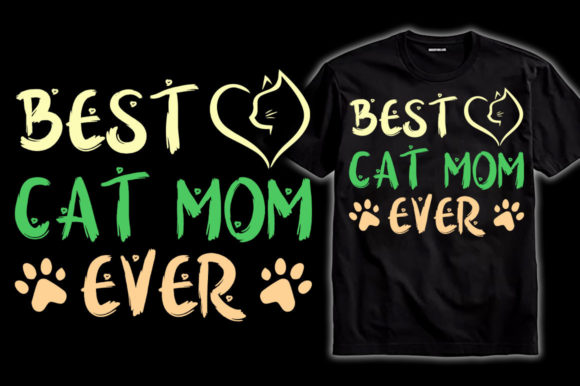
As a designer who spends more time staring at stitch simulations than I do sleeping, I approach every new machine embroidery design with a healthy dose of skepticism. We have all seen those digital files that look crisp on a screen but turn into a tangled mess of thread breaks and puckering once they hit the fabric. Recently, I had the chance to evaluate the Cat Mom T-shirt Design Pet Animal, a piece of digital art marketed primarily as a graphic for print-on-demand stores. However, my interest lay in its potential as a viable embroidery file for custom apparel and handmade goods.
First Impressions and Visual Personality
The initial visual impact of this design is warm and inviting. It captures that specific, affectionate niche of pet ownership that resonates deeply with customers. The layout feels balanced, avoiding the cluttered look that often plagues generic pet-themed graphics. For an embroidery project, clarity is king. If the lines are too thin or the shapes too complex, the needle cannot do its job. This design appears to have bold enough contours to translate well into thread, suggesting it could work effectively as a combination of satin stitch borders and fill stitch interiors.
The mood is playful yet polished. It does not scream "amateur hour," which is crucial for anyone running a craft business. When you are selling a personalized gift or a boutique item, the perceived value comes from the professionalism of the finish. This design has the structural integrity to support that perception, provided the digitizing matches the quality of the original vector art.
Real-World Application: The Sweatshirt Test
To truly understand how this asset performs, I imagined a real-life scenario. A client approaches me for a custom birthday gift for her daughter, a devoted cat owner. She wants something cozy, durable, and stylish. A heavy cotton blend sweatshirt is the perfect canvas. Here, the Cat Mom T-shirt Design Pet Animal shines. Placed on the left chest or centered on the back, the design’s theme aligns perfectly with the casual comfort of the garment.
In this context, the design acts as more than just decoration; it becomes a statement of identity. For Etsy sellers and small shop owners, this is the kind of design assets that drives engagement. Customers are not just buying a shirt; they are buying into a community. The visual appeal here supports brand consistency if your shop focuses on pet lovers, family gifts, or whimsical home decor. Whether used for sweatshirt embroidery or adapted for a sturdy canvas tote bag design, the core elements remain recognizable and charming.
Versatility Across Product Lines
Beyond apparel, this graphic holds promise for various handmade product categories. Consider an embroidered patch for a denim jacket or a backpack. Patches require high contrast and clear edges, both of which this design seems to offer. It could also be scaled down for baby embroidery on onesies, though one must be cautious about detail loss at smaller sizes. For home goods, imagine this stitched onto a kitchen towel or a pillow cover. The holiday embroidery market also loves pet themes, making this a strong contender for seasonal collections.
However, versatility requires adaptation. What works on a thick fleece may fail on a silky blouse. As a reviewer, I advise testing the design on multiple fabric types. The fabric texture plays a massive role in how the final finished product looks. A rough linen might swallow fine details, while a smooth polyester blend will make the thread colors pop.
Technical Considerations for Stitching
While the aesthetic is strong, the technical execution is where many designs fail. Since this product is listed under Print Templates and Graphics, it is vital to confirm if it comes as a ready-to-stitch digital embroidery file or if it requires manual digitizing. If it is a graphic only, you will need to convert it, paying close attention to stitch density. Too dense, and the fabric will pucker; too sparse, and the backing will show through.
For those using this as a reference for commercial embroidery, consider the following practical notes:
- Hoop Size: Ensure the design fits within your standard hoops without excessive resizing, which can distort proportions.
- Stabilizer: Always use the appropriate stabilizer. For stretchy fabrics like t-shirts, a cut-away stabilizer is often necessary to prevent distortion after washing.
- Thread Colors: Test different color combinations. While the default might be black and white, trying pastel threads on dark fabric or vibrant threads on light fabric can change the entire vibe of the piece.
- Small Details: Inspect tiny elements like whiskers or eyes. These often need to be converted to running stitch or simplified to avoid thread breaks.
Where to Use Caution
Not every surface is friendly to this design. Curved surfaces like caps require careful placement to avoid distortion. Thin or delicate fabrics may not support the weight of the stitching, leading to sagging. If you plan to use this for custom apparel that will undergo frequent washing, ensure the stitch count is optimized for durability. Dense areas should be avoided on lightweight materials to prevent stiffness.
Additionally, always check the licensing terms. Just because a design is available as a Print Template does not automatically grant rights for commercial embroidery sales. Verify whether you can sell the finished product or if the license is for personal use only. This step is critical for maintaining professional integrity and avoiding legal issues down the line.
Final Verdict for Makers and Sellers
The Cat Mom T-shirt Design Pet Animal is a promising asset for creators who understand the nuances of thread and fabric. It offers a strong visual foundation for a variety of projects, from personalized gifts to boutique merchandise. Its strength lies in its relatable theme and clean layout, which translates well to the tactile nature of embroidery.
For the Etsy seller or hobbyist, this design represents an opportunity to create high-value items that resonate emotionally with buyers. However, success depends on proper preparation. Test on scrap fabric, adjust your tension, and choose your thread colors wisely. By treating this graphic not just as an image but as a blueprint for stitching, you can elevate a simple design into a standout handmade product.
Remember, the best embroidery projects are those where the technology serves the art. Keep your stabilizer handy, your needles sharp, and your creativity focused. This design has the potential to be a staple in your portfolio, provided you respect the mechanical limits of your machine and the physical properties of your materials. Happy stitching.